Table of Content
- Medicaid Coverage of Nursing Home Care | When, Where and How Much They Pay
- What States Must Pay For
- Where Nursing Facility Services are Provided
- South Carolina Long Term Care
- South Carolina Medicaid Long Term Care Eligibility for 2022
- When A Nursing Home Is Considered Medically Necessary In North Carolina
- Penalty Information In South Carolina For Medicaid
- Nursing Facility Services (Nursing Homes)
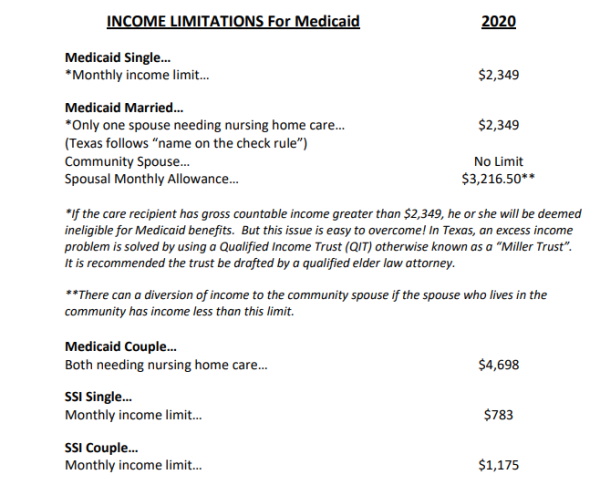
For married applicants with both spouses applying, the 2022 asset limit for nursing home coverage through Healthy Connections is $4,000 combined, and the income limit is $2,523 / month per spouse. For a married applicant with just one spouse applying, the 2022 asset limit is $2,000 for the applicant spouse and $66,840 for the non-applicant spouse, and the income limit is $2,523 / month for the applicant. Community Long Term operates home and community-based waiver programs for persons eligible for nursing home care but who prefer to receive their services in the community.
Through case management and an individualized service package, waiver clients can successfully remain at home at a cost to Medicaid that is substantially less than the cost of institutional care. Income Limitations – If single, the applicant’s monthly income (wages, Social Security benefits, pensions, veteran’s benefits, annuities, SSI payments, IRAs, etc.) must be no higher than $2,205 to become eligible for Medicaid. Income that is above the limit can be placed into a qualified trust, which designates funds solely for the costs accrued by Medicaid. There is a personal needs allowance of $30/month that is not factored into the total countable income. For eligibility purposes, money deposited into this type of trust does not count towards Medicaid’s income limit.
Medicaid Coverage of Nursing Home Care | When, Where and How Much They Pay
However, these amounts may vary depending on the state in which you live. “Medicaid is often of importance to middle-income Americans because Medicare does not cover the costs of long-term care for illnesses such as Alzheimer’s disease or paralysis caused by a stroke. Most people who need such care for extended periods will eventually deplete their assets and become unable to pay the costs of their care, according to a brochure available online from the National Academy of Elder Law Attorneys .

After an applicant has been approved for nursing home coverage through Healthy Connections , they need to choose which Medicaid-approved nursing home they will live in. Even though Medicaid nursing home coverage is an entitlement, Healthy Connections will only cover stays and care in approved nursing homes. This South Carolina Department on Aging webpage has a locator tool to help individuals find Medicaid-approved nursing homes in their area.
What States Must Pay For
Examples include making home modifications (wheelchair ramps, roll-in showers, and stair lifts), home improvements , vehicle modifications , prepaying funeral and burial expenses, and paying off debt. Remember, assets cannot be gifted or sold under fair market value, as this violates Medicaid’s look back rule. It is recommended one keep documentation of how assets were spent as proof the look back rule was not violated.
You will be forced to sell your investments, cash in your CDs, cash in your life insurance policies, sell your summer cottage, and sometimes even sell your home. The doctors have informed Katie that John will need to be discharged to a skilled nursing facility. Specific to each state, the general or usual responsibilities of the NF are shaped by the definition of NF service in the state's Medicaid state plan, which may also specify certain types of limitations to each service. States may also devise levels of service or payment methodologies by acuity or specialization of the nursing facilities. There is currently a waitlist, and the state significantly limits the number of enrollees to below to waiver programs’ maximum available slots. The Affordable Care Act does not significantly impact Medicaid long term care benefits for the elderly.
Where Nursing Facility Services are Provided
Some of the things that Healthy Connections won’t cover in a nursing home are a private room, specialized food, comfort items not considered routine , personal reading items, plants, flowers, and any care services not considered medically necessary. One home is exempt (equity limit $636,000) if planning to return, a spouse, a child under 21, or a disabled person resides in it. Whenever an institutionalized person sells a previously exempted residence, the money from the sale becomes a countable asset. The recipient may then lose eligibility for Medicaid until he/she has spent down the money and their countable resources are once again less than the maximum. A nursing home resident may deduct medical costs, including Medicare premiums, that are not covered by Medicaid from their income.
For married applicants with both spouses applying, the 2022 asset limit for HCBS Waivers in South Carolina is $4,000 combined, and the income limit is $2,523 / month per spouse. To determine if an applicant requires a Nursing Facility of Care for the Community Choice Waiver, South Carolina assesses the applicants ability to independently complete the Activities of Daily Living . Home and Community Based Service Waivers will pay for long-term care services and supports that help Healthy Connections recipients who require a Nursing Facility Level of Care remain living “in the community” instead of moving to a nursing home. For HCBS Waivers in South Carolina, “living in the community” means living in one’s own home, the home of a loved one, an adult foster care home or an assisted living residence .
South Carolina Long Term Care
Non-Financial Eligibility Requirements – For South Carolina long-term care Medicaid eligibility, an applicant must have a functional need for such care. For nursing home Medicaid and Medicaid Waivers, a nursing facility level of care is required. Furthermore, additional criteria may need to be met for specific program benefits. For example, for a Waiver to cover the cost of home modifications, an inability to safely live at home without modifications may be necessary.
For a single applicant in 2022, the asset limit for HCBS Waivers in South Carolina is $2,000, which means they must have $2,000 or less in countable assets. In all 50 states and the District of Columbia, Medicaid will pay for nursing home care for persons who require that level of care and meet the program’s financial eligibility requirements. Readers should be aware that the financial requirements and the level of care requirements vary based on the state. Furthering the complexity is that the financial requirements change based on the marital status of the Medicaid beneficiary / applicant.
Citizen residing in South Carolina in order to qualify for South Carolina’s Medicaid Program. You will also often be asked to provide a significant number of financial records for the five years leading up to the application. Typically, this means an Applicant will have to provide bank statements, tax returns, account statements from other financial institutions, and any relevant deeds, just to name a few. Lastly, all applicants applying for nursing-home coverage must be over the age of 65.

A summary of who is eligible for these waiver programs, which services are provided and how the programs are operated can be found by clicking on theWaiver Summary Chart. Home and Community-Based waiver programs —Designed to meet the needs of those with disabilities or chronic conditions. 2) Program of All-Inclusive Care for the Elderly – The benefits of Medicaid, including long-term care services, and Medicare are combined into one program. 2) Asset Spend Down – Persons who have assets over South Carolina’s asset limit can “spend down” assets on ones that are non-countable.
There are Spousal Protection Laws, which protect income and assets for the non-applicant spouse to prevent spousal impoverishment. The Minimum Monthly Maintenance Needs Allowance permits an applicant spouse to transfer a portion, or in some cases, all of their monthly income to their non-applicant spouse to ensure they have sufficient income on which to live. There is also a Community Spouse Resource Allowance that protects a larger amount of a couple’s joint assets for a non-applicant spouse. 3) Regular Medicaid / Aged Blind or Disabled – This is an entitlement program; Meeting the eligibility requirements ensures one will receive benefits. Various long-term care services, such as personal care assistance or adult day care, may be available.
If a senior resides in a nursing home, the Medicaid beneficiary must reside in a Medicaid-certified nursing facility for their care to be covered. States may specify the types and limitations of some services that can be provided, but federal regulations require that certified nursing homes must offer specific services at a minimum and at no charge to Medicaid residents. NF services for are required to be provided by state Medicaid programs for individuals age 21 or older who need them. States may not limit access to the service, or make it subject to waiting lists, as they may for home and community based services. Therefore, in some cases NF services may be more immediately available than other long-term care options. NF residents and their families should investigate other long-term care options in order to transition back to the community as quickly as possible.


No comments:
Post a Comment