Table of Content
The name of this program varies by state, but essentially it is a “spend down” program. Persons with income over the limit pay a “share of cost”, which can be thought of as a deductible, to bring their income down to the medically needy income limit. Once this has been done, they qualify for Medicaid for the remainder of the spend down period. It is common for one to have income and / or assets over Medicaid’s limit, but still have inadequate funds to pay for nursing home care.
There are Spousal Protection Laws, which protect income and assets for the non-applicant spouse to prevent spousal impoverishment. The Minimum Monthly Maintenance Needs Allowance permits an applicant spouse to transfer a portion, or in some cases, all of their monthly income to their non-applicant spouse to ensure they have sufficient income on which to live. There is also a Community Spouse Resource Allowance that protects a larger amount of a couple’s joint assets for a non-applicant spouse. 3) Regular Medicaid / Aged Blind or Disabled – This is an entitlement program; Meeting the eligibility requirements ensures one will receive benefits. Various long-term care services, such as personal care assistance or adult day care, may be available.
South Carolina Community Choices Home and Community Based Medicaid Waiver Program (Community Choices Waiver)
However, the non-applicant spouse of a nursing home Medicaid or Waiver applicant is permitted a Community Spouse Resource Allowance . This is a spousal impoverishment provision, and in 2022, the community spouse (the non-applicant spouse) can retain up to $66,480 of the couple’s assets, as shown in the chart above. Countable assets include cash, stocks, bonds, investments, credit union, savings, and checking accounts, and real estate in which one does not reside.

You will be forced to sell your investments, cash in your CDs, cash in your life insurance policies, sell your summer cottage, and sometimes even sell your home. The doctors have informed Katie that John will need to be discharged to a skilled nursing facility. Specific to each state, the general or usual responsibilities of the NF are shaped by the definition of NF service in the state's Medicaid state plan, which may also specify certain types of limitations to each service. States may also devise levels of service or payment methodologies by acuity or specialization of the nursing facilities. There is currently a waitlist, and the state significantly limits the number of enrollees to below to waiver programs’ maximum available slots. The Affordable Care Act does not significantly impact Medicaid long term care benefits for the elderly.
Medicaid Waiver Program for Assisted Living and In-Home Care
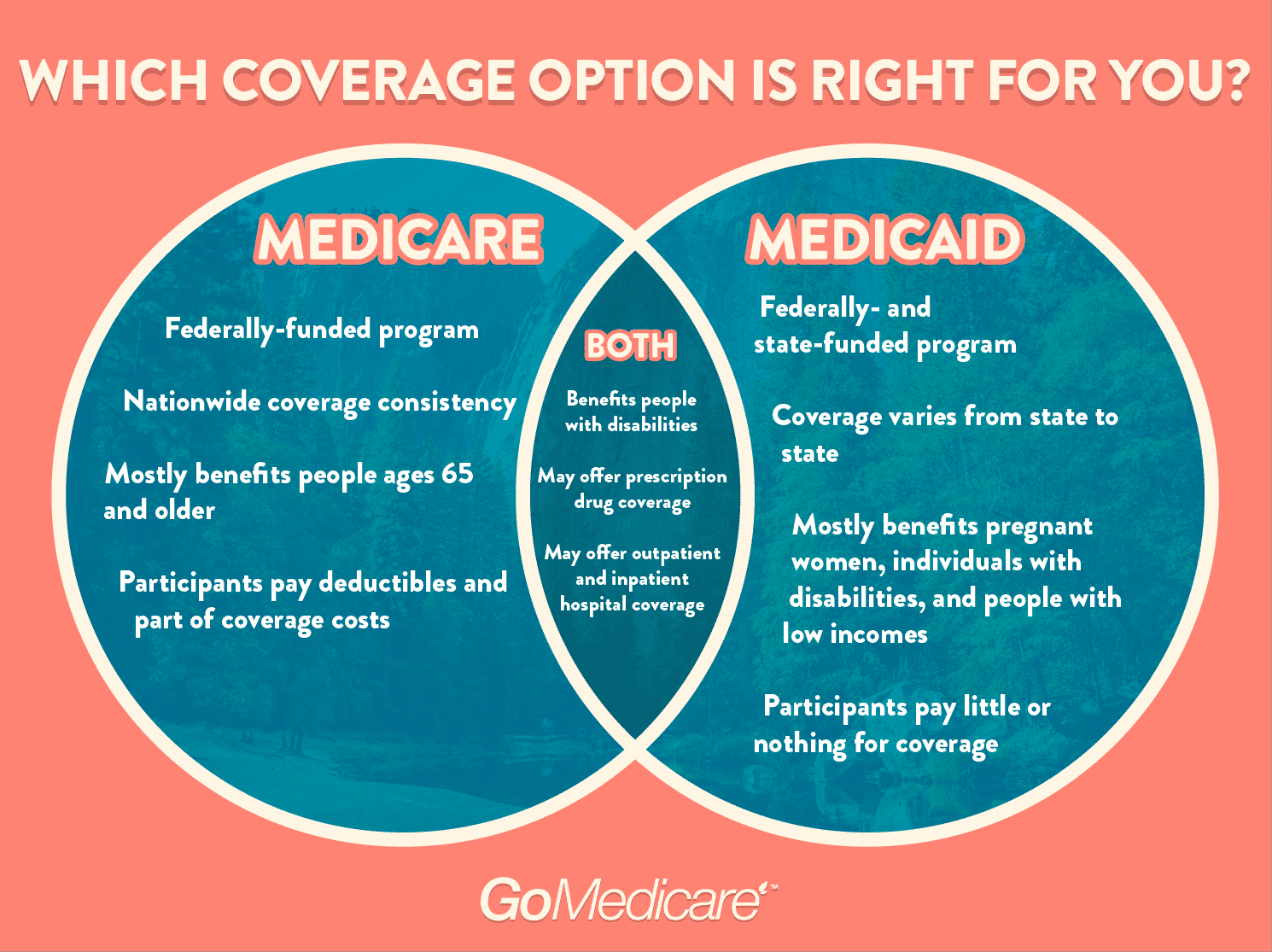
1) South Carolina Community Choices Waiver – This Waiver provides assistance for elderly and disabled individuals who require a level of care consistent to that which is provided in a nursing home, but who wish to remain living in their own homes. A variety of benefits are available, including home modifications, adult day care, specialized medical equipment, and assistance with Activities of Daily Living , such as bathing, mobility, and eating. Medicaid will pay for a nursing home only when it is medically necessary. You must show that you “meet the nursing facility level of care,” meaning that you need the kind of care that can only be provided in a nursing home. Medicaid is a program administered jointly by the state and federal government. This means that while the laws are similar, the requirements vary slightly from state to state.
For those who are eligible, Medicaid will pay for the complete cost of nursing home care, including room and board. Medicaid will pay for nursing home care on an ongoing, long term basis for however long that level of care is required, even if it is required for the remainder of one’s life. In many cases it is not necessary to transfer to another nursing home when payment source changes to Medicaid NF. Many nursing homes are also certified as a Medicare skilled nursing facility , and most accept long-term care insurance and private payment.
Where Nursing Facility Services are Provided
Non-Financial Eligibility Requirements – For South Carolina long-term care Medicaid eligibility, an applicant must have a functional need for such care. For nursing home Medicaid and Medicaid Waivers, a nursing facility level of care is required. Furthermore, additional criteria may need to be met for specific program benefits. For example, for a Waiver to cover the cost of home modifications, an inability to safely live at home without modifications may be necessary.

However, these amounts may vary depending on the state in which you live. “Medicaid is often of importance to middle-income Americans because Medicare does not cover the costs of long-term care for illnesses such as Alzheimer’s disease or paralysis caused by a stroke. Most people who need such care for extended periods will eventually deplete their assets and become unable to pay the costs of their care, according to a brochure available online from the National Academy of Elder Law Attorneys .
South Carolina Medicaid Eligibility for Long Term Care: Income & Asset Limits
“Medicaid beds” are rooms, or more likely shared rooms, that are available to persons whose care will be paid for by Medicaid. Nursing homes prefer residents that are “private pay”, meaning the family pays the cost out-of-pocket. This is because private pay residents pay approximately 25% more for nursing home care than Medicaid pays. In 2022, the nationwide average private payer pays approximately $255 / day for nursing home care while Medicaid pays approximately $206 / day. A related question is if Medicaid covers nursing home care for dementia?
South Carolina residents have to meet an asset limit and an income limit in order to be financially eligible for nursing home coverage through Healthy Connections . For a single applicant in 2022, the asset limit is $2,000, which means they must have $2,000 or less in countable assets. Countable assets include bank accounts, retirement accounts, stocks, bonds, certificates of deposit, cash and any other assets that can be easily converted to cash.
The second step is determining if the applicant meets the financial and functional criteria, also discussed above, for that Long Term Care program. Applying for Healthy Connections when not financially eligible will result in the application, and benefits, being denied. Healthy Connections ABD / Regular Medicaid applicants are not allowed to give away their assets in order to get under the asset limit. To make sure they don’t, South Carolina has a “look-back” period of five years. This means the state will look back into the previous five years of the applicant’s financial records to make sure they have not given away assets. Healthy Connections applicants are not allowed to give away their assets in order to get under the asset limit.
PACE serves individuals 55 and older who meet nursing home level of care. 3) Medicaid Planning – The majority of persons considering Medicaid are “over-income” or “over-asset” or both, but they still cannot afford their cost of care. By working with a Medicaid planning professional, families can employ a variety of strategies to help them become Medicaid eligible, as well as to protect their home from Medicaid’s estate recovery program. It is vital that one does not give away assets or sell them for under fair market value within 60-months of applying for long-term care Medicaid in South Carolina. Doing so is a violation of Medicaid’s 5-year look-back rule, a period that immediately precedes one’s Medicaid application date in which all asset transfers are reviewed.


No comments:
Post a Comment